Expert Slide and Photo Scanning Since 2002.
4,000 ppi Scanning and Premium Photoshop
Editing On Every Scan. Still 39¢ most slides.
We also can make PRINTS from your Slides.
Affordable Scanning Services
www.Slides.Pics
www.Slides.Pics
 Home
Home Order Forms
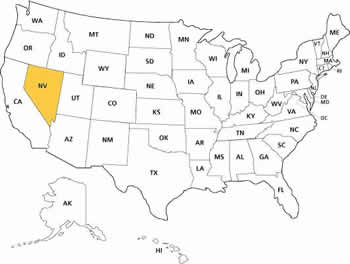
Nevada 35mm Slide, Photo & Film Scanning
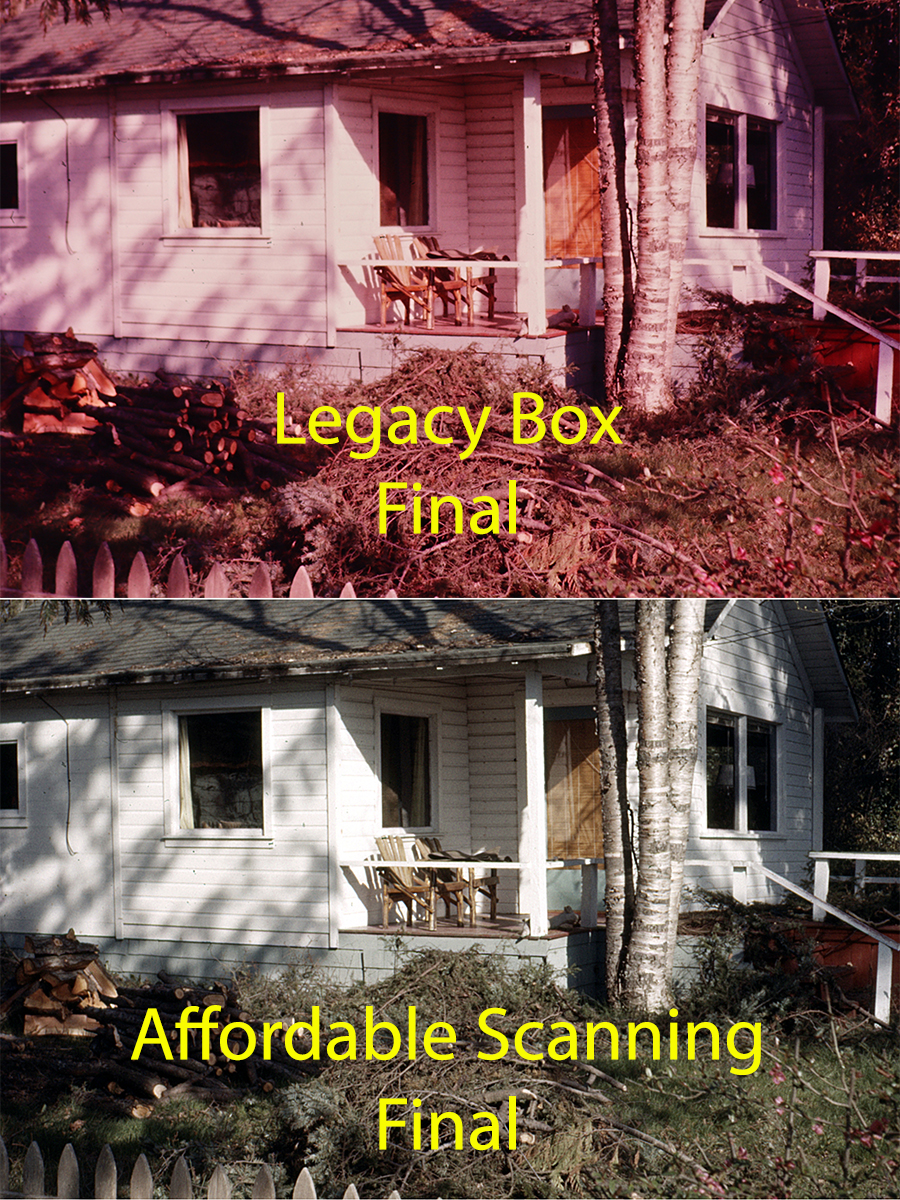
All Scanning companies will NOT give you the same results, Click Here.
While we do NOT have a local office in your state, Affordable Scanning Services LLC has provided services for customers all over Nevada, including Las Vegas, Henderson, Reno, North Las Vegas, Sparks, Carson City, Elko, Boulder City, Mesquite, Fernley, and the United States and Canada since 2002. In all that time we have worked with multiple people, university's and businesses with many different needs and end results. Our customers are very important to us and they are our best salespeople.
Some of the newer scanning companies, unable to compete with our services, have resorted to sending their customer's 35mm slides, photos and films to India or other third world countries. That is bad enough but what we think is really underhanded, is that they are not up front about this minor little detail. Most of their customers have no idea that their family photo collction is being loaded into a cargo plane and flown 7,000 miles over the ocean to India. And that may be the safest part of the trip.
At Affordable 35mm Slide Scanning, your job does not leave our premises,in Waupun Wisconsin, until we return ship to you. We treat your precious photo collection just like it was our own and I can tell you for certain, that we would never be sending our heirloom family photos to a thirdworld sweatshop in order to save a few dollars.
All jobs are worked by 100% USA citizens who are talented and skillful and they really are artists at heart. They work your family photos just like they were working their very own photos. We realize that this is the only time that you are going to be converting your slides and photos to digital and we are going to make it a good Experience for you.
Nevada History
"On March 2, 1861, the Nevada Territory separated from the Utah territory and adopted its current name, shortened from Sierra Nevada (Spanish for "snowy range"). Eight days prior to the presidential election of 1864, Nevada became the 36th state in the union. Statehood was rushed to the date of October 31 - coincidentally Halloween - to help ensure Abraham Lincoln's reelection and post-Civil War Republican dominance in Congress. [6] As Nevada's mining-based economy tied it to the more industrialized Union, it was viewed as more politically reliable than other Confederate-sympathizing states such as neighboring California. It is a common misconception that one of the reasons Nevada was granted statehood was its large deposits of silver and gold. This is merely a myth, however, and would have been illogical in that Congress had unlimited control over these resources when Nevada was a territory and only limited control after Nevada became a state.
Nevada achieved its current boundaries on May 5, 1866 when it absorbed the portion of Pah-Ute County in the Arizona Territory west of the Colorado River, essentially all of present day Nevada south of the 37th parallel. The transfer was prompted by the discovery of gold in the area, and it was thought by officials that Nevada would be better able to oversee the expected population boom. This area includes most of what is now Clark County.
Mining shaped Nevada's economy for many years (see Silver mining in Nevada). When Mark Twain lived in Nevada during the period described in Roughing It, mining had lead to an industry of speculation and immense wealth. However in the late 19th century, Nevada found it increasingly difficult to compete with states such as Colorado and Utah in the mining industry. There was even talk of stripping away statehood, the only time in American history such an action was discussed in Congress . However, the rich silver strike at Tonopah in 1900 is thought to have saved the state from collapse. This was followed by strikes in Goldfield and Rhyolite, lasting well into the 1910s and making Nevada a dominant player in mining once again.
The famous Las Vegas Strip, home to the world's largest casino-hotels.
Gambling erupted once more following a recession in the early 20th century, helping to build the city of Las Vegas.Unregulated gambling was common place in the early Nevada mining towns but outlawed in 1909 as part of a nation-wide anti-gaming crusade. Due to subsequent declines in mining output and the decline of the agricultural sector during the Great Depression, Nevada re-legalized gambling on March 19, 1931, with approval from the legislature. At the time, the leading proponents of gambling expected that it would be a short term fix until the state's economic base widened to include less cyclical industries. However, re-outlawing gambling has never been seriously considered since, and the industry has become Nevada's primary source of revenue today.
In 1935, construction began on Hoover Dam, located outside Las Vegas near Boulder City. Thousands of workers from across the country came to build the dam, and providing for their needs in turn required many more workers. The boom in population is likely to have fueled the relegalization of gambling, alike present-day industry. Both Hoover Dam and later war industries such as the Basic Magnesium Plant first started the growth of the southern area of the state near Las Vegas. Over the last 75 years, Clark County has grown in relation to the Reno area, and today encompasses most of the state's population.
The Nevada Test Site, 65 miles (105 km) Northwest of the City of Las Vegas, was founded on January 11, 1951 for the testing of nuclear weapons. The site is composed of approximately 1,350 square miles (3,500 km²) of desert and mountainous terrain. Nuclear testing at the Nevada Test Site began with a one-kiloton of TNT (4 terajoule) bomb dropped on Frenchman Flats on January 27, 1951. The last atmospheric test was conducted on July 17, 1962 and the underground testing of weapons continued until September 23, 1992. The location is known for the highest amount of concentrated nuclear detonated weapons in the U.S.
Over 80% of the state's area is owned by the federal government. The primary reason for this is that homesteads were not permitted in large enough sizes to be viable in the arid conditions that prevail throughout desert Nevada. Instead, early settlers would homestead land surrounding a water source, and then graze livestock on the adjacent public land, which is useless for agriculture without access to water (this pattern of ranching still prevails). The deficiencies in the Homestead Act as applied to Nevada were probably due to a lack of understanding of the Nevada environment, although some firebrands (so-called "Sagebrush Rebels") maintain that it was due to pressure from mining interests to keep land out of the hands of common folk. This debate continues to be argued among some state historians today."
From:
https://en.wikipedia.org/wiki/Nevada
|
About Our Company Copyright 2023 |

|
|


|
Email: Click Here After hours you will get a quicker response by using email. We answer email at ALL hours. Telephone messages are replied to during business hours. Affordable Scanning Services LLC 400 Bittersweet Lane Waupun, WI 53963
|